
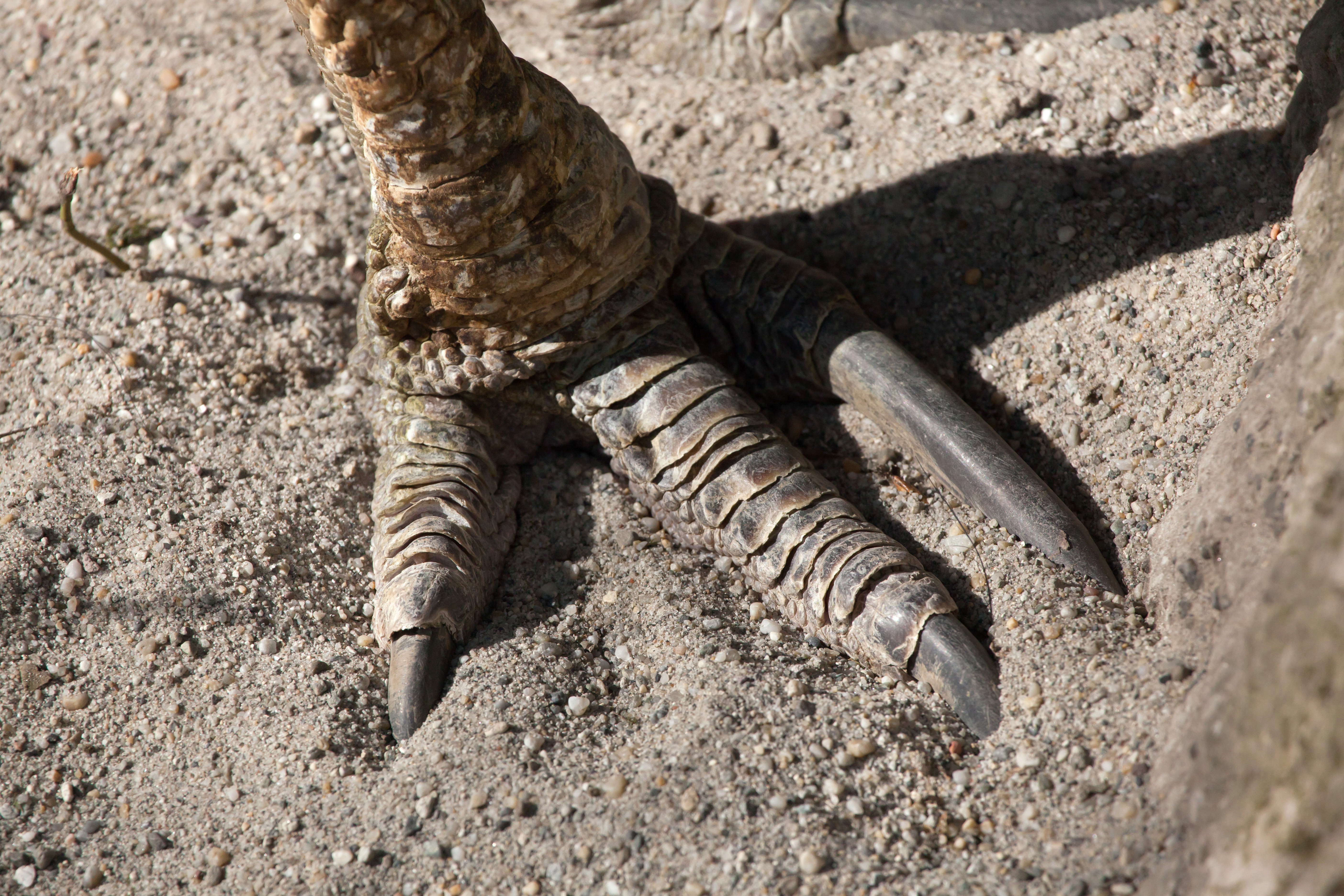


It is said that the dinosaurs never really went extinct. Instead, they evolved into birds.
Tyrannosaurus rex and velociraptors are now believed to have had feathers. The cassowary, with its enormous, clawed feet, offers perhaps the closest modern glimpse of what some ancient dinosaurs may have looked like.

We’re fast entering a world where gold miners could be going the way of the dinosaurs. Rather than disappearing, they’re evolving into copper miners.
The asteroid strike that triggered this evolution was gold bullion ETFs, which entered the atmosphere in 2003.
Prior to bullion ETFs, gold miners often enjoyed premium valuations because they were one of the only practical ways for generalist investors to gain exposure to the gold price. The rise of physically backed gold ETFs changed that dynamic permanently, allowing investors to buy gold directly without taking on operational mining risk.
As a result, many gold miners have increasingly looked toward copper, using today’s record gold prices and cash flows to help fund the transition.
Ring of Fire and porphyry – the tie that binds
The shift from gold miner to copper miner is made easier by porphyry deposits.
Porphyry deposits are among the most valuable ore systems in global mining. They commonly contain both copper and gold and are especially prevalent around the geologically active Pacific Ring of Fire. A major example is the Grasberg mine operated by Freeport-McMoRan in Indonesia.
Porphyries mean that copper miners are often also gold miners and vice versa. When a deposit contains economically recoverable quantities of both metals, miners generally extract both.

Australia sits outside the modern Pacific Ring of Fire, but it hosts older porphyry systems formed hundreds of millions of years ago. The prime example is the Cadia Valley operation in New South Wales. This deposit may hold the key to understanding how gold miners plan to evolve into copper miners.
Newcrest and Cadia – a blueprint for global miners?
The jewel of Newmont’s Australian portfolio, Cadia is one of the most profitable gold mines on the planet. While classified primarily as a gold mine, a major reason for its profitability is its copper production.
Cadia is so rich in copper that, in some years, analysts have estimated the mine generated more economic value from copper by-products than from gold itself, depending on prevailing commodity prices and cost allocations.
Copper exposure was a major reason Newmont acquired Newcrest Mining in a deal valued at roughly US$19 billion, completed in 2023. Newmont has stated ambitions to materially increase its copper production this decade, targeting around 200,000 tonnes annually from its Australian operations over time. For context: Sandfire Resources is on track to produce about 150,000 tonnes of copper in FY2026.
Barrick Mining is heading in the same direction. CEO Mark Bristow has repeatedly emphasised copper as a strategic growth commodity, reflecting broader industry recognition that future electrification trends are highly copper-intensive.

In Australia, we’re seeing the same trend. Evolution Mining has increasingly pursued a copper-gold strategy centred on its Ernest Henry operation in Queensland. In recent reporting periods, copper contributed close to 30% of group revenue.
Meanwhile, Harmony Gold completed its acquisition of the CSA Copper Mine in late 2025 and is developing the Eva Copper Project in Queensland. Harmony has stated that its Australian copper assets could ultimately produce around 100,000 tonnes of copper annually within several years.

Why now?
The valuation discrepancy between gold and copper miners is one reason.
Pure-play copper miners such as Ivanhoe Mines have, at times, traded on materially higher valuations than gold miners, reflecting investor enthusiasm for long-term copper demand.
By contrast, gold miners have struggled to sustain premium valuations, even during periods of record gold prices. It’s abundantly clear which side of the market many management teams would rather be associated with – especially given their own compensation is usually stock based.
At the same time, record gold prices have dramatically boosted free cash flow generation across the gold mining sector. That gives gold miners the firepower to acquire copper assets, particularly smaller copper developers and juniors.
Indeed, part of the premium attached to many junior copper companies likely reflects expectations they may eventually be acquired by larger gold miners seeking copper exposure.

Conclusion
The irony is that gold’s resurgence may ultimately accelerate the transformation of many gold miners into copper producers. Record bullion prices are giving companies the balance sheets needed to chase the metal most critical to electrification and modern infrastructure. In that sense, the future of Australian copper mining may not belong primarily to traditional copper miners at all, but to evolved gold miners flush with cash and searching for growth.
The ETF Shares solution
At ETF Shares, we are tracking this transition with great interest. We developed the ETFS Global Pure Play Copper Miners ETF (CPPR) with a specific 30% copper revenue filter to facilitate the inclusion of large-scale miners like Newmont and Barrick as they pivot toward copper.
Disclaimer: The issuer of units in ETFS Global Pureplay Copper Miners ETF (CPPR)(ARSN: 695 413 113) is the responsible entity of the Fund, being ETF Shares Management Limited (ABN 77 680 639 963, AFSL: 562 766). The product disclosure statement (PDS) and Target Market Determination (TMD) for the Fund contains all of the details of the offer of units in the Fund. Copies of the PDS and TMD are available from ETF Shares Management Limited or at www.etfshares.com.au. The information provided in this document is general in nature only and does not take into account your personal objectives, financial situation or needs. Before acting on any information in this email, you should consider the appropriateness of the of the information having regards to your objectives, financial situation or needs and consider seeking independent financial, legal, tax and other relevant advice. Past performance is no guarantee of future performance. Investment in any product issued by ETFS are subject to investment risk, including possible delays in repayment and loss of income and principal invested. The value or return of an investment will fluctuate and an investor may lose some or all of their investment. Past performance is not a reliable indicator of future performance