

Thematic ETFs - which aim to invest in a high-growth investment theme - have always been products for artists rather than scientists.
Products for artists in that they give creatively minded investors a way to define economic sectors as they see fit. That's perfectly reasonable. But not scientists, as they have two obvious and quantifiable weaknesses.
First: a lot of them are just high-fee closet trackers. AI ETFs are the obvious current example. Their top holdings are invariably Nvidia, Alphabet, Meta and Microsoft, meaning they closely hug the global tech benchmark.
Second: they're often launched at times when publicity and valuations are peaking. Morningstar has been documenting this for years, finding that investors in thematic ETFs missed roughly two-thirds of their funds' returns over a five-year period by buying high and selling low.
Which brings us to space ETFs.
Space stocks are performing strongly
Space stocks have had a remarkable run. The Procure Space ETF (UFO) has delivered gains of more than 100% over the past twelve months, more than triple the return of the S&P 500. Individual names have been even more striking: Rocket Lab (RKLB) is up roughly 250% over the past year, while Planet Labs (PL) is up around 75% year to date (disclosure: the author owns shares in Planet Labs). The valuations in some cases look very stretched. Rocket Lab is trading at around 66 times trailing sales while still loss-making.

This rally has been driven by three forces: SpaceX halo effects, space ETF inflows, and Nasdaq 100 index arbitrage trades, listed here in reverse order of importance.
The SpaceX halo effect
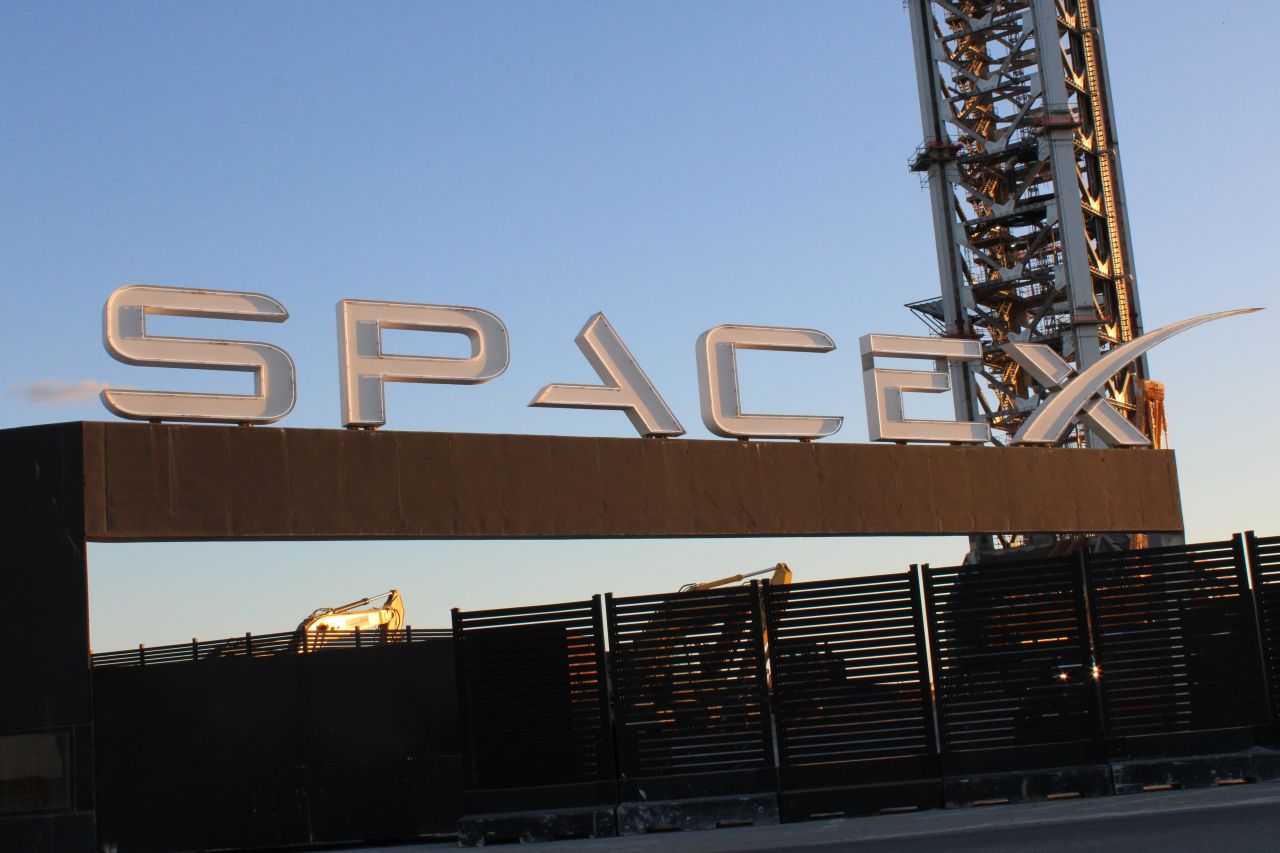
SpaceX is planning an IPO targeting a valuation of US$1.75 trillion and a raise of up to US$75 billion, which would be the largest IPO in history. The entity coming to market will be a combined SpaceX and xAI, after Musk completed his acquisition of xAI in February 2026. A cynical read is that bundling the loss-making xAI into SpaceX creates a more flattering combined vehicle for xAI’s early backers.
The underlying business nonetheless has genuine momentum: SpaceX revenue grew 63% in 2024 to approximately $14.2 billion, driven by Starlink, which now serves over 9 million subscribers globally.
The result is a halo effect for listed space names - most obviously Rocket Lab and Planet Labs - which are benefiting from association with the SpaceX narrative.
Space ETF inflows
ETF flows always matter for share prices, but for space they matter more than usual. The universe of pure-play public space stocks is very small: the main names are Rocket Lab (RKLB), Planet Labs (PL), AST SpaceMobile (ASTS), Intuitive Machines (LUNR) and Redwire (RDW). Because the investable universe is so concentrated, each of these names carries outsized weight in the indices, and inflows translate directly into large share purchases.

The space rally is a Nasdaq 100 index arbitrage trade
The significance of the Nasdaq 100 index arbitrage is the most important driver of all.
In the case of SpaceX, the arbitrage is laughably obvious. Nasdaq launched a consultation in February 2026 on a proposed "fast entry" rule that would allow a newly listed company into the Nasdaq 100 within 15 trading days of IPO, provided its market cap ranked in the top 40 of current index members. There used to be a minimum wait of three months.
That rule was approved on March 30 and takes effect May 1. The timing is not coincidental: Nasdaq has faced pointed criticism for engineering a rule change that amounts to a bribe to attract the SpaceX listing over the competing NYSE bid.
The mechanics matter enormously. Inclusion in the Nasdaq 100 triggers mandatory, price-blind buying from every index fund and ETF tracking the benchmark, including the US$300 billion-plus QQQ. The other major space stocks that have rallied are also approaching Nasdaq 100 inclusion territory. The criteria are more elastic than the S&P 500's: no profitability requirement, less index committee active management, just a top 100 market cap ranking among Nasdaq-listed non-financials.
Investors buying space stocks today are, consciously or not, making a bet on index inclusion as much as on the commercial space industry. The fundamentals may eventually justify the valuations. But the near-term driver is forced buying from index funds and considerably less romantic than the promotional materials for space ETFs would have you believe.